New Michigan program aims to help farms continue
By Miles MacClure
Current Contributor
For the past three years, David Weeks (68) has searched for a young farmer to take over his organic vegetable farm, La Casa Verde, in Cedar in Leelanau County.
But, so far, he has not found a buyer who intends to keep the property as a working farm.
“I strongly want to see this property remain in agriculture and remain a part of the resilient Michigan community and economy,” he says. “The last thing I want is for this property to get bought by some gazillionaire, and they knock down the old buildings and build an estate house—and they’re there two weeks out of the year.”
In October 2025, Weeks began advertising his farm on MIFarmLink, a new program that helps match aspiring farmers with those looking to retire and hand their operations over to the next generation. One goal of MIFarmLink is to ensure that farmland remains farmland, amid a push by big developers to convert rural properties to data centers, solar or wind farms, housing, and other projects.
The program launched as thousands of farms disappear across the United States and in Michigan, as farmers retire and sell off their land, and as fewer young people get into the business.
In addition, regulations, rising costs, lack of available labor, and weather disasters have driven farmers out of the industry, according to Zippy Duvall, president of the American Farm Bureau Federation, in a 2024 press release, urging Congress to do more to protect the industry.
“Family farms not only help drive the economy, they allow the rest of the nation the freedom to pursue their dreams, without worrying about whether there will be enough food in their pantries,” Duvall said.
Declining Statistics
In 2022, the U.S. Department of Agriculture (USDA) reported that the average farmer was about 57 years old. The 2022 Census of Agriculture reported about 1.9 million farms in operation then—the first time since the Civil War that fewer than 2 million farms were reported, representing a decline of about 7 percent since the 2017 farm census.
In Michigan, 44,000 farms were in operation in 2024, down from 47,200 in 2019, per USDA data. Moreover, the amount of Michigan farmland shrank from 9.8 million acres in 2019 to 9.4 million acres in 2024—an almost 100,000-acre loss per year.
The food and agriculture industry in Michigan supports more than 800,000 jobs and generates nearly $126 billion in economic impact, according to the state’s Department of Agriculture and Rural Development.
Weeks does not want to see his farm as another declining agricultural statistic, but he says, “It’s getting harder and harder for me to do the physical work,” and he guessed that he will be able to continue farming for another five years, at most.
While he is yet to find a match, Weeks remains hopeful that he will find someone to steward the farm for another generation.
Dating Profile
The MIFarmLink program began in 2021—it was conceived in Ottawa County and then spread to Washtenaw County in 2023, before going statewide last fall.
In 2024, the program launched a farm-seeking function to help aspiring farmers connect with established farms.
“It’s kind of a dating profile for a farmer,” says Jill Dohner, the MIFarmLink program director.
Financial barriers persist for young people who want to start a farm.
“ The entry cost to get into farming is so high,” says Jamie Rahrig, director of Food and Farm Business Assistance at the Center for Regional Food Systems at Michigan State University (MSU).
To qualify for loans offered by the USDA and the Farm Service Agency, farmers must own the land that they are farming on, “so they have to have that first big barrier of being able to purchase land, and they can’t just be leasing the land,” Rahrig added.
Including MIFarmLink, there are 38 identified programs across the country that connect beginning farmers with established farms, with the majority along the East Coast and in the Midwest, with a few in the Rocky Mountain and West Coast regions, as well.
MIFarmLink advertises itself as a mutually beneficial program for existing farms and aspiring farmers—for aging farmers, the opportunity to sell their farm will allow them to retire, while the younger generation can take over an operation that is already up and running, oftentimes with farm equipment included in the deal.
Finding the Right Fit
A diverse array of farms are posted on the MIFarmLink website, including small organic farms and larger corn and soybean operations.
Currently, around 60 farms looking for a successor have opened profiles on the website, while more than 600 individuals seeking a farm have signed up for the program, according to Dohner, the MIFarmLink program director.
As of this article going to press, there are a dozen farms listed in the northwestern region of Michigan’s Lower Peninsula: eight are located in Leelanau or Grand Traverse counties, with two in Antrim and one each in Charlevoix and Kalkaska counties. The next closest bunch are four farms listed in Mecosta County, then Muskegon and Kent counties to the south. There are no farms currently listed in Benzie, Wexford, Manistee or other nearby counties—though it is likely that there are farmers in these regions who are looking to retire soon.
Meanwhile, there are 120 farmers currently who have listed Benzie County among their desired locations.
Dohner says farms that have made successful connections usually meet with three to four potential suitors before finding the right person to take over their farm.
“ It takes a lot of time to find the right fit, especially for the aging farmer who has been on the land for 40-, 50-plus years,” Dohner says. “And they really want to find the right fit. They want to find the right farmer who’s good for their operation and their farm.”
So far, the program has made 12 links throughout Michigan since starting up five years ago, but Dohner would not say how successful those links have been; she says that the organization plans to track the success of the farm transitions over the next several years.
Aspiring farm owners who have signed up for MIFarmLink come from a diverse range of backgrounds, says Alexa Tedeschi, communications coordinator at MIFarmLink—the list spans recent college graduates with some agriculture experience to military veterans, looking to make farming their post-service career.
“I think this platform has made a lot of people that haven’t done farming before and are interested and maybe have a dream,” Tedeschi says.
Dohner adds:
“I do see the youthful energy of young farmers coming up, and that inspires me.
Prime Agricultural Land
Some farmers looking to retire have entertained offers for their land from real estate developers and proposed data centers, which often offer large sums and have drawn protests in many of the communities where they have been proposed.
“One of the issues is that developers can purchase the land for so much more money than what another farmer might be able to purchase that land for,” Rahrig says.
In Michigan, the value of farm property is growing faster than farm values nationwide—thanks, in part, to purchases by these commercial development groups.
In fact, Michigan farm property values rose 7.8 percent last year, more than any other state, and almost double the national average of 4.3 percent increases, according to an annual USDA report.
The average Michigan price per acre is $6,800, while development land in parts of the state are selling for $15,000 to $30,000 per acre.
“That, I think, is definitely something that is in conflict with wanting to try to save that prime agricultural land for farmers,” Dohner says.
Hopeful Future
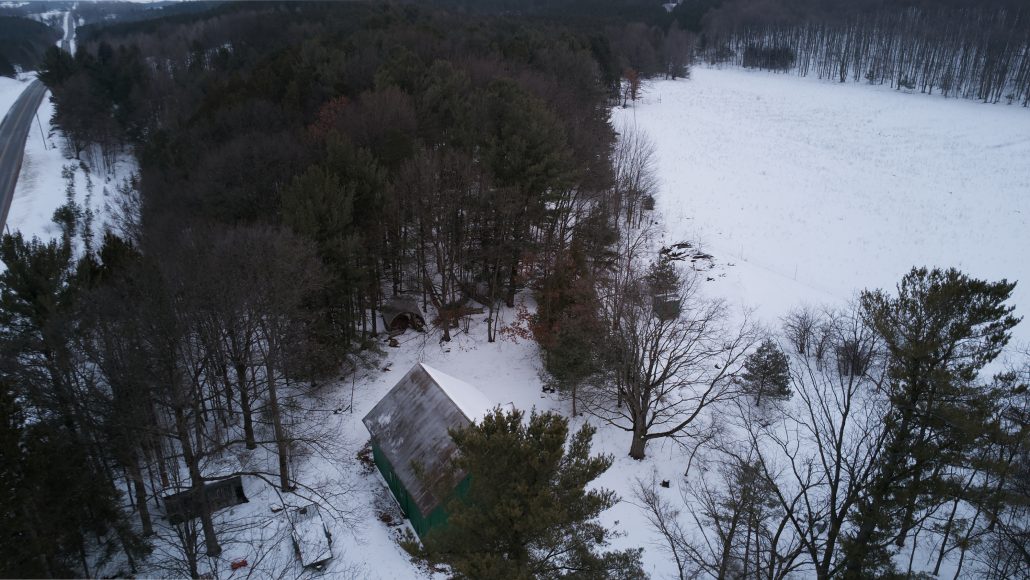
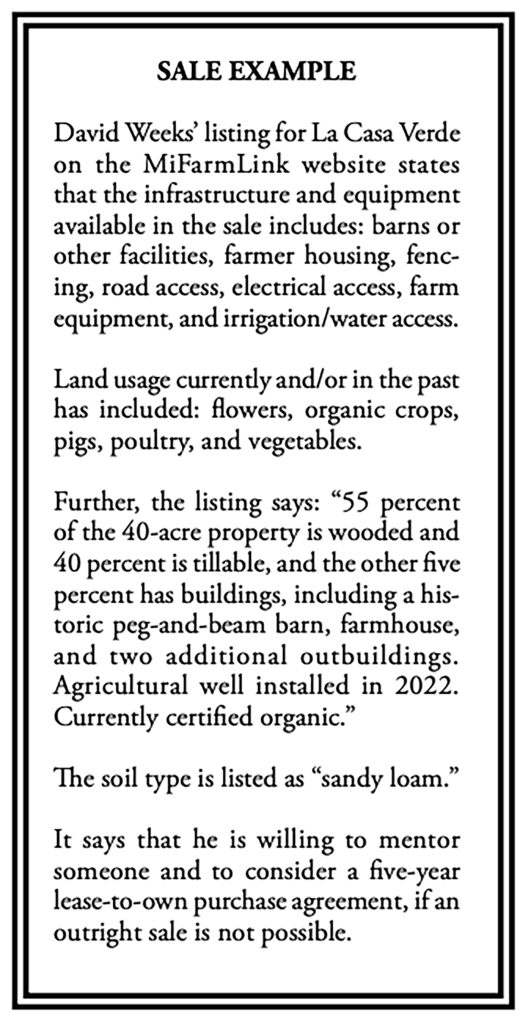
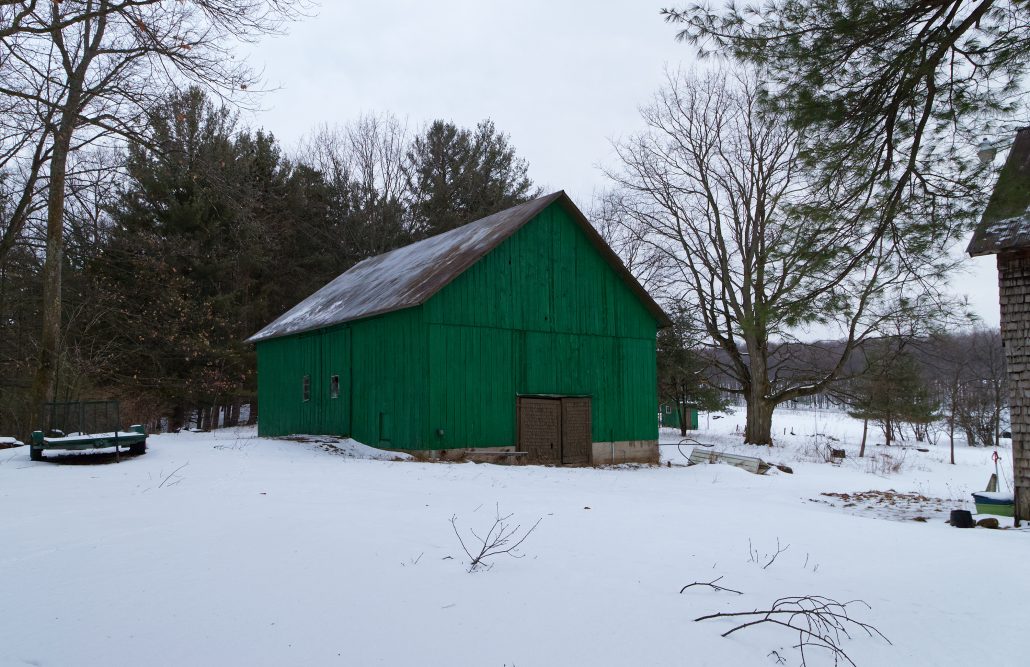
Weeks’ farm, La Casa Verde, is a small vegetable farm with 17 acres of tillable land—two of which are currently under cultivation, 15 of which are currently fallow—out of 40 acres total.
At age 68, Weeks hopes to retire in the next few years, but for now, he is hoping to hold out for the right buyer.
Weeks says that he has had serious conversations with five prospective buyers for his farm over the past three years, but none were quite the right fit—some were interested in flipping the property or subdividing the land for real estate developments, so he chose not to sell to them.
He says that only two prospective buyers intended to continue farming on the property, but talks fell apart for financial reasons.
“ People don’t see farming as a worthy career,” Weeks laments.
Weeks has entertained the idea of training a farmer who does not have any farming experience, with the idea that they will eventually purchase the farm or take over farm operations.
But, he says, it is difficult to balance the current needs of the farm while simultaneously planning for the future.
“I can get four to eight times the productivity out of [a migrant] worker as I would out of one of these people who I have to train,” he says. “So, as a business person, one has to look at that productivity aspect of it. I can’t afford to be training someone on basic agronomy.”
To learn more about buying and/or selling a farm, visit MIFarmLink.org online.
This reporting is made possible by the Northern Michigan Journalism Collaborative—led by Bridge Michigan and Interlochen Public Radio—and funded by Press Forward Northern Michigan.
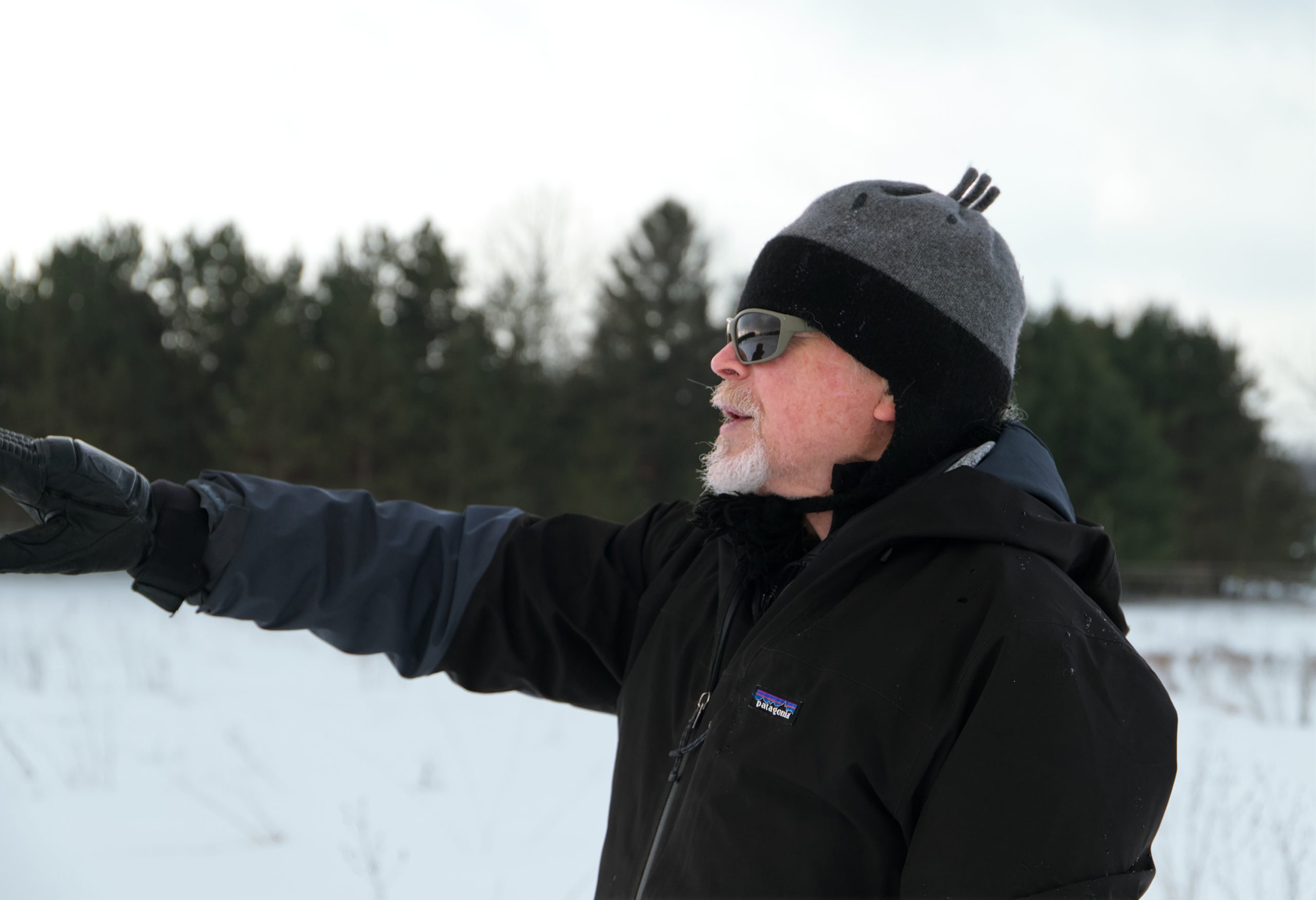
Featured Photo Caption: David Weeks looks out over his farmland in Cedar. Photo by Miles MacClure/Northern Michigan Journalism Collaborative.