
New name reflects expanding mission
By Berry Kendall
Current Contributor
On any given summer day, visitors stream into Sleeping Bear Dunes National Lakeshore with a familiar itinerary: climbing the dunes and gathering at scenic overlooks to capture shots of the sweeping bluffs and shifting blues of Lake Michigan.
But just a few miles inland, another landscape offers a different narrative.
A weathered red barn leans gently into the wind at Port Oneida. Rows of apple trees still mark orchards, planted generations ago. White farmhouses sit beneath towering maples with their porches looking out across fields, first cultivated more than a century ago. In Glen Haven, restored maritime buildings recall an era when steamships connected isolated shoreline communities, and commerce shaped life along the lakeshore.
These places do not command the same attention as the dunes. Yet, together they reveal the history, culture, and character that give Sleeping Bear its soul. Helping people to discover that story has become the defining mission of the nonprofit formerly known as Preserve Historic Sleeping Bear.
Now approaching its 30th year, the nonprofit is entering a new chapter with a new name: Sleeping Bear Forever.
The rebranding reflects more than a fresh logo or updated marketing. It represents an organization that has grown beyond preserving historic buildings to helping people experience, understand, and connect with the cultural heritage of Sleeping Bear Dunes National Lakeshore.
For executive director Susan Pocklington, the change is not about leaving the past behind. Rather, it is about inviting people to see more of it.
“We just really want people to understand that there’s more beyond the dunes,” she says.
The park’s historic farms, orchards, villages, and cultural landscapes tell an equally important story—one that too often remains hidden in plain sight. For nearly three decades, the organization has quietly worked behind the scenes, raising private funds to restore historic buildings, preserve cultural landscapes, and support projects that ensure that the history, landscapes, and stories of Sleeping Bear Dunes National Lakeshore endure.
As Preserve Historic Sleeping Bear becomes Sleeping Bear Forever, the nonprofit hopes visitors discover the history, heritage, and human stories that have always existed beyond the iconic landscape.
Founded in 1998 as a grassroots advocacy organization, Sleeping Bear Forever emerged at a time when many of the park’s historic buildings faced uncertain futures.
Farmhouses, barns, nautical structures, and other remnants of the area’s agricultural and maritime past had deteriorated after decades of abandonment and exposure to Northern Michigan’s harsh winter climate.
“Our preservation mission remains at the heart of everything we do,” Pocklington says. “But the name Sleeping Bear Forever better reflects how we have grown and the direction we are going—to reawaken these places through expanded interpretation, visitor experiences, community engagement, and stewardship, protecting these resources into the future.”
Sleeping Bear Dunes National Lakeshore welcomes more than 1.5 million visitors each year. The landscape preserves one of the nation’s most significant collections of historic agricultural and maritime resources. Throughout the park stand farmsteads, orchards, life-saving stations, inns, cottages, and villages that tell the story of the families who cultivated this peninsula long before it became a national lakeshore. These buildings are rooted to the land and essential to maintaining the cultural distinction of the region.
As founding member Lissa Edwards wrote in 1999:
“[We] believe that these buildings are critical to maintaining the grace and integrity of a history that has shaped this peninsula for decades. They are rooted to the land and are essential to maintaining the cultural distinction of the region. We are offering Sleeping Bear Forever as a resource to the Park, to ensure that these magnificent pieces of our history be protected in the best way they can.”
Since then, the organization has become an indispensable philanthropic partner to the National Park Service (NPS), helping to preserve the cultural landscape that gives Sleeping Bear its unique character. According to Pocklington:
“[Sleeping Bear Forever] works to fill the gap between the capacity and funding of the National Park Service and the park’s preservation and interpretive needs.”
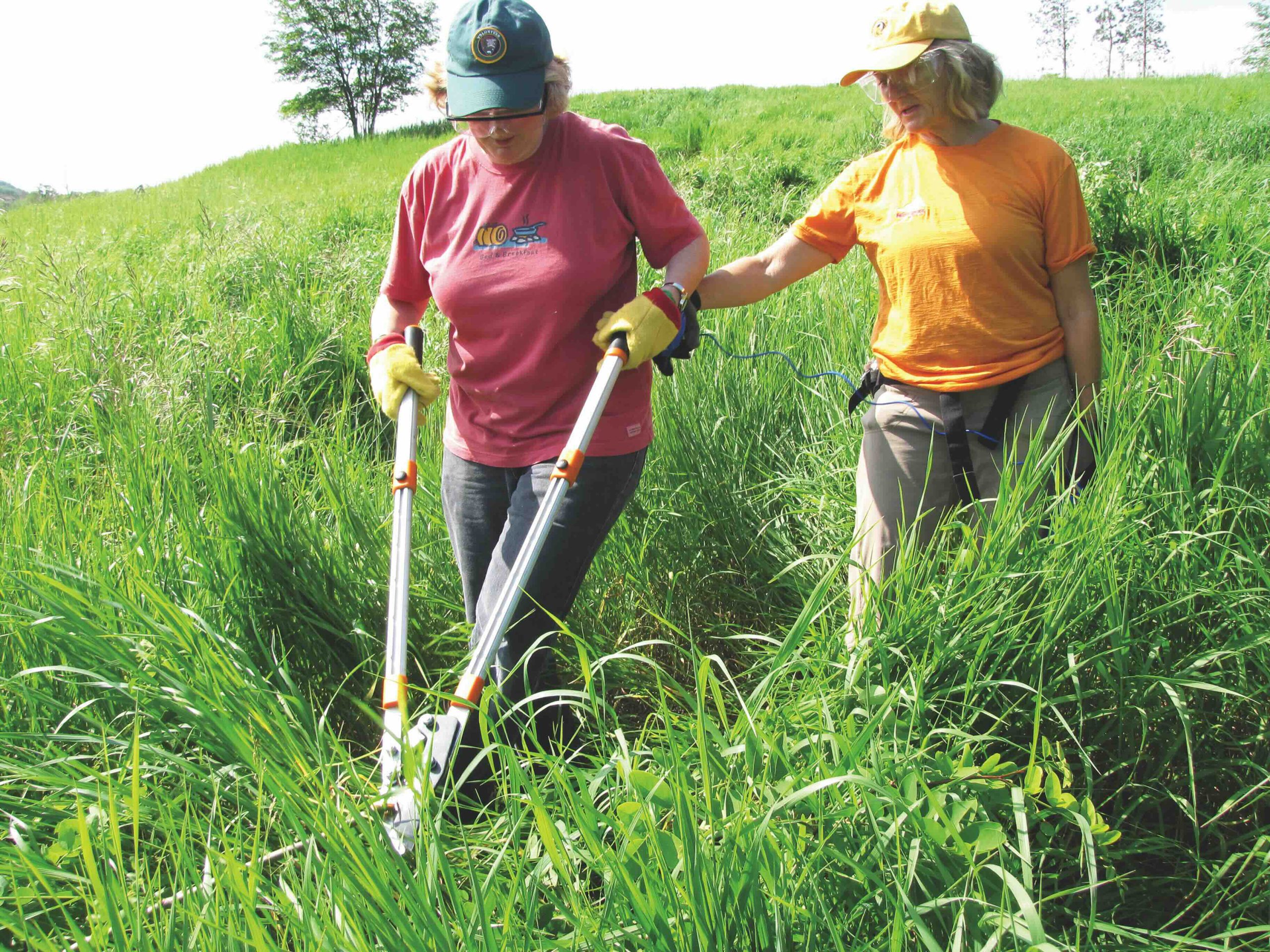
Volunteers have repaired weathered barns, painstakingly restored century-old windows, stabilized log cabins, revived orchards, and preserved farmsteads that might otherwise have disappeared into history. Equally important, Sleeping Bear Forever seeks to preserve the natural histories and stories of those who inhabited the area.
Its accomplishments are substantial.
Volunteers and contractors have completed more than 100 preservation projects on dozens of the park’s 366 historic structures and landscapes. Their efforts represent more than $2 million in combined cash, in-kind donations, and volunteer labor.
Preserving history, Pocklington believes, means more than repairing old buildings.
“The buildings are important,” she explains. “But they only truly come alive when people experience them.”
That philosophy lies at the heart of the organization’s new identity.
Rather than focusing solely on preservation work, Sleeping Bear Forever intends to expand opportunities for visitors and residents alike to engage with the park’s remarkable human history. New programming will include heritage hikes, traditional trades workshops, speaker series, expanded tours, farm-to-table dinners, and educational initiatives—all designed to connect new generations with the people who once lived and worked throughout the park.
Launching this month is Sleeping Bear Folk & Field School, described as “a new series of immersive educational experiences, designed to help people discover, preserve, and engage with the rich heritage and natural landscapes of the Sleeping Bear Dunes region.”
According to a press release from Sleeping Bear Forever, approximately 20 classes will be offered throughout the summer and fall; they will be taught by skilled artisans, historians, naturalists, and other specialists. Subjects include leather crafts, basketry, rug braiding, gardening, food preservation, regenerative agriculture, fly fishing, woodworking. and photography of historic structures, among others.
“The Sleeping Bear Folk & Field classes offer a way to pass these traditions to the next generation by harnessing the growing interest in hands-on learning, self-reliance, and sustainable living,” Pocklington says. “Participants can discover the satisfaction of creating something with their own hands, while gaining a deeper appreciation for the knowledge and traditions that have connected people to this landscape for generations.”
What has evolved is the organization’s understanding of how preservation succeeds.
Saving historic buildings, Pocklington says, is only part of the work. She explains that people also need opportunities to experience those places, understand their significance, and create memories of their own.
Sleeping Bear Forever’s office is located at the Port Oneida Heritage Center, inside the historic Charles and Hattie Olsen Farmhouse, which also serves as an interactive museum and visitor center. It opened to the public in 2016, and Pocklington says that, when people first crossed the threshold, some were moved to tears after having driven by the home for years.
“One older gentleman visited for over an hour, and as he walked out he said, ‘Thank you so much. Now I know where to bring my grandchildren to tell them how I lived and grew up’,” Pocklington says.
She continues:
“We’re really where nature and culture meet. Sleeping Bear Forever seeks to tell the stories of how common people lived. We’re trying to build respect for what came before the dune climb and help visitors appreciate that. Preservation plus activation equals heritage, recreation, and engagement. The way I look at it, we are preserving the soul of Sleeping Bear.”
For more information on classes or to volunteer, visit SleepingBearForever.org online.
A version of this article first published in the Glen Arbor Sun, a Leelanau County-based semi-sister publication to The Betsie Current.
Featured Photo Caption: Sleeping Bear Forever volunteers clear the Bayview Trail. Photo courtesy of the Glen Arbor Sun.
Leave a Reply